 BabyDrift Games
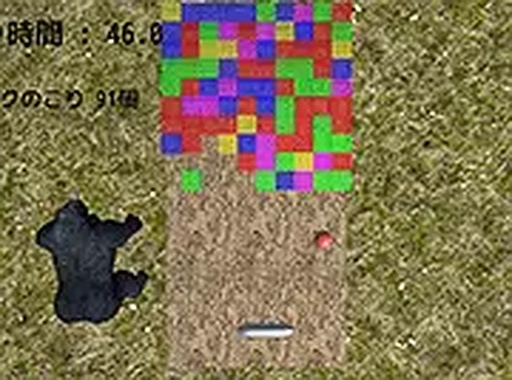
Chromatic Tile Clearing Puzzle combines arcade ball physics with color-matching strategy. The sliding platform control is easy to learn, and the random tile arrangements prevent repetition. Visual clarity helps you spot clusters quickly. The game may include a scoring system for tracking progress, but the core appeal is the chain-reaction clears. It suits players who enjoy casual puzzle games with a timing element. The lack of specified multiplayer or story modes means it is best for short, solo sessions.
The main action is straightforward: a small ball bounces around the play area, and you control a sliding platform at the bottom of the screen. Your goal is to angle the ball toward clusters of colored tiles. When the ball contacts a tile, that tile and every adjacent tile sharing the same color disappear simultaneously. This chain reaction means a single well-placed hit can wipe out a large group, but a careless bounce might only remove one or two tiles. The ball's physics add timing and precision to each shot, so you are constantly adjusting the platform's position to redirect the ball after every bounce.
Every session starts with a fresh random arrangement of colored tiles. No two rounds play out the same way, which forces you to read the board and adapt your strategy instead of memorizing patterns. The procedural generation keeps the experience unpredictable and encourages repeated play. Because the tile layout changes each time, you cannot rely on a single winning approach; you have to spot large clusters of identical hues and plan your shots accordingly.
You move the sliding platform with either the mouse or keyboard. This simple input method makes the game easy to pick up for players of any age or skill level. A full-screen mode is available to reduce visual distractions and improve focus. The graphics use bright, cheerful colors and clean shapes, so each tile is clearly distinguishable. That visual clarity helps you quickly scan the board for matching opportunities. The overall aesthetic is light and inviting, suitable for short breaks or longer play sessions.
While the core goal is clearing all tiles from the screen, the game may include a scoring system that records how many tiles you clear per round. This provides a simple metric for personal improvement without adding unnecessary complexity. Effective players learn to prioritize large color groups to trigger cascading clears. Keeping the platform centered under the ball gives better control over its trajectory. Over time, regular play helps develop quicker recognition of color patterns and improved anticipation of the ball's path after bounces.
Sign in to comment
You must be logged in before posting a review or rating.
No comments yet. Be the first to comment!







Editorial Notes