 BabyDrift Games
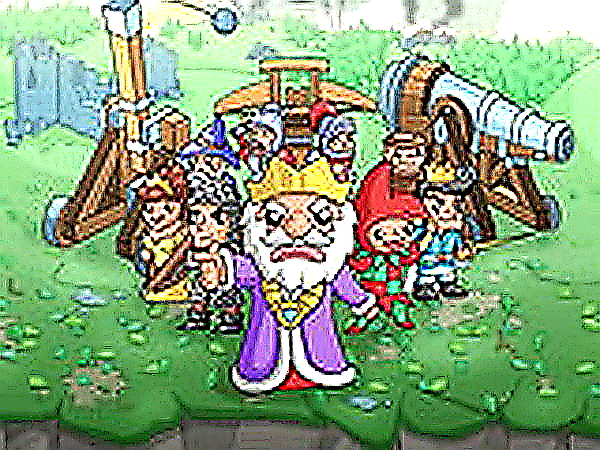
Castle Conquest Strategy Puzzle offers a focused loop: read a castle, aim your trebuchet, fire, and adjust. The two-variable control scheme is simple to understand but demands precision. Unlockable fireballs add a resource-management layer, though the source does not specify how many levels or items exist. The medieval framing and Armor Games publishing give it a clear identity. It suits patient problem-solvers, not action fans. The main limitation is that the core mechanic may feel repetitive without enough castle variety, but the varying layouts described suggest an effort to keep each level distinct.
Castle Conquest Strategy Puzzle puts you behind a trebuchet with two variables to manage: launch angle and shot power. Both affect the projectile's arc and impact point. Stone balls are your default ammunition, and they behave with consistent physics, so learning how angle and power interact is the foundation of every successful shot. The game does not rely on reflexes; it asks you to read a castle's structure, predict where a stone will land, and adjust accordingly.
Each level presents a different castle design. Walls, corners, and support structures create distinct weak points. A shot that hits a corner may topple more masonry than a direct hit on a flat wall. Later castles introduce obstacles that block obvious trajectories, forcing you to find alternative angles or use upgraded ammunition. Because layouts vary, a strategy that clears one castle may fail on the next, so you re-evaluate the structure before each attempt.
You begin with basic stone balls. As you advance, you unlock more powerful items, including fireballs. These items are limited, so deciding when to use them matters. A fireball can clear a large section quickly, but spending it on an easy castle may leave you short on a tougher one. The progression system ties directly to problem-solving: new ammunition expands your options, but it does not replace careful aiming.
Castle Conquest Strategy Puzzle combines strategy and action in a historical setting. It rewards players who enjoy planning a shot, studying a structure, and learning from failed attempts. If you prefer fast-paced action or games with no trial and error, the deliberate pace may not appeal. For those who like physics-based puzzles with a medieval theme, the game offers a clear loop: aim, fire, observe, and adjust.
Sign in to comment
You must be logged in before posting a review or rating.
No comments yet. Be the first to comment!




Editorial Notes