 BabyDrift Games
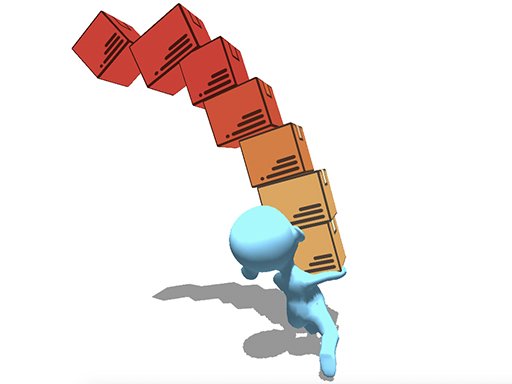
Stack Balance Puzzle strips the stacking genre to its essentials: position, release, repeat. The swaying tower adds meaningful difficulty without complicating the controls, and the lack of a timer makes it easy to pick up for a minute or settle in for a longer session. Its colorful presentation and clear feedback suit casual players, though those seeking deep progression or varied modes will find the scope limited.
Stack Balance Puzzle asks you to build a tower one box at a time. A box appears above the stack, and you slide your finger or mouse left and right to line it up. The tower sways gently, so releasing at the wrong moment sends the box off-center or knocks the whole structure down. Each successful placement raises the height and increases the sway, turning a simple action into a test of rhythm and patience.
There is no timer and no complex input. One horizontal slide controls the box's position, and a tap or click drops it. Colorful visuals and satisfying stacking sounds confirm a clean landing. When a box misses or the tower topples, the run ends. That immediate audio-visual feedback makes each attempt feel clear: you know exactly why you succeeded or failed.
Every box that lands squarely adds to your score and fills a truck. The goal is to stack as many boxes as possible and complete the most trucks. Because the tower's sway grows with height, later placements demand finer timing and quicker corrections. There are no unlockable levels or power-ups; progression comes from your own improvement at reading the tower's movement.
Runs can last a minute or stretch longer if you stay focused. The absence of time pressure means you can play at your own pace, making it a natural fit for short breaks or relaxed sessions. Its one-touch control scheme and family-friendly presentation suit players of all ages, while the increasing sway gives skill-focused players a reason to keep refining their timing.
Sign in to comment
You must be logged in before posting a review or rating.
No comments yet. Be the first to comment!








Editorial Notes