 BabyDrift Games
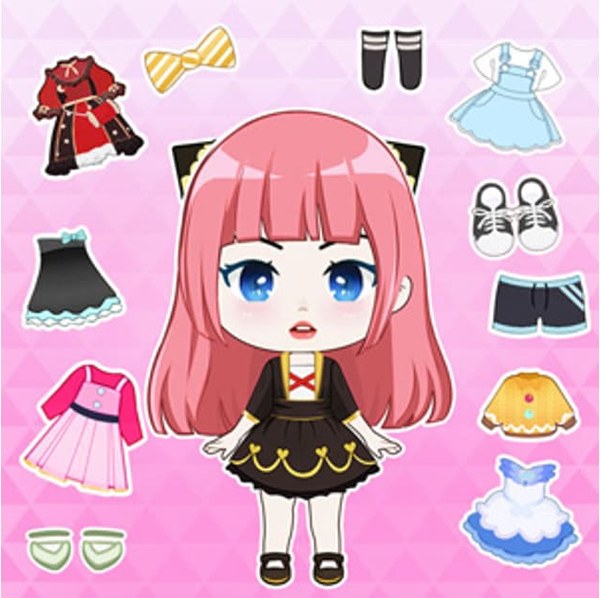
Sketchbook Style Dress Up Game stands out for its pencil-drawn art style and its decision to remove timers, scores, and paid items. That combination lowers the barrier for younger players and anyone seeking a relaxing creative activity. The wide range of categories—hair, face, clothing, accessories, backgrounds—gives enough variety to keep customization interesting. The main limitation is that the input does not describe platform availability, multiplayer, or advanced editing tools. As a single-player creative toy, it delivers exactly what it promises: free, pressure-free dress-up with a consistent sketchbook look.
Sketchbook Style Dress Up Game builds its identity around a simple visual idea: the character looks like a pencil sketch on paper. That art direction does more than set a mood. It keeps the interface readable, because each clothing item, hairstyle, and accessory is drawn in the same hand-drawn style. Nothing clashes with the sketchbook theme, and the character remains the clear focal point even after several layers of customization.
Play begins by selecting the pencil girl character. From there, players browse categories such as hair, face, clothing, accessories, and background. Clicking an item applies it immediately, and any choice can be swapped at any time. Because every item is free, there is no currency to manage and no locked content. The only limit is the player's own imagination. Mixing colors, patterns, and styles is encouraged, and the game never penalizes an unusual combination.
The absence of timers and scores changes how the game feels. Players are not racing to finish a look or chasing a high score. They can spend as long as they like on a single outfit, switch between themes, or restart from scratch. This structure makes the game suitable for children who want a calm activity and for adults who enjoy fashion or drawing as a low-pressure hobby. The reward is the finished design, not a ranking.
Once a design is complete, the game allows players to save the creation or share it with friends and family. Saving is useful for building a small collection of looks or returning to an earlier idea. Sharing turns the game into a social activity, where players can compare styles or use each other's designs as inspiration. The controls stay simple throughout, so saving and sharing do not require technical knowledge.
Sign in to comment
You must be logged in before posting a review or rating.
No comments yet. Be the first to comment!







Editorial Notes