 BabyDrift Games
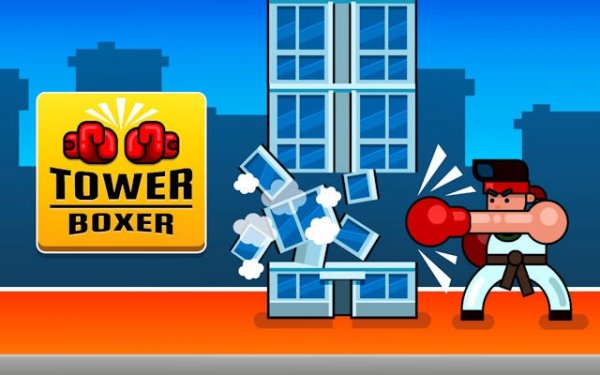
Skyscraper Punch takes a simple premise — boxer versus building — and turns it into a timing puzzle. The balcony-blocking rule forces you to watch patterns and switch sides, which gives the clicker format real strategic weight. Clean visuals and hit sounds provide clear feedback. It suits players who enjoy short, repeatable runs and pattern recognition. The lack of variety in the building's behavior may limit long-term appeal, but the core loop is tight.
Skyscraper Punch flips the usual fighting-game setup. You are a determined boxer, but your opponent is not another fighter — it is a massive building. The tower never throws a punch back. Instead, it presents a structural puzzle: chip away at its stability with repeated, well-placed strikes until it collapses. The goal is not survival but efficiency. Every punch either moves you closer to bringing the tower down or wastes a turn, and the difference comes down to reading the building's behavior.
Gameplay uses simple tap or click inputs to throw punches from either the left or right side. The catch is that protruding balconies slide toward your boxer as you attack. If a balcony is on the same side as your punch, the attack is blocked. That single rule turns button-mashing into a timing exercise. You watch the building's patterns, wait for an opening, and switch sides at the right moment. Alternating sides also helps keep the tower balanced, which prevents wasted moves and keeps your progress steady. The controls are easy to learn, but the balcony rhythm demands concentration and quick adaptation.
Success depends on more than speed. Each attempt teaches you more about the building's weak points and the timing of its balcony movements. Over repeated runs, you develop a sense of when to strike and when to hold back. The building's behavior stays consistent, so improvement comes from your growing understanding rather than random luck. That consistency is what makes the game feel like a puzzle: chaotic punching gradually becomes a calculated sequence.
Clean, straightforward visuals keep attention on the action. The tower shows visible damage as you progress, giving you clear feedback on how much structural integrity remains. Sound effects accompany each successful hit, reinforcing the sense of impact. The overall presentation is minimal but effective — no unnecessary distractions, just the building, your boxer, and the next punch.
Each playthrough offers a fresh chance to refine your strategy. The game is built for short sessions, making it easy to pick up for a few minutes at a time. The satisfaction of finally seeing the tower collapse after a well-executed run is what drives repeated play. Because the building's patterns remain consistent, every failed attempt still adds useful knowledge for the next one.
Sign in to comment
You must be logged in before posting a review or rating.
No comments yet. Be the first to comment!








Editorial Notes