 BabyDrift Games
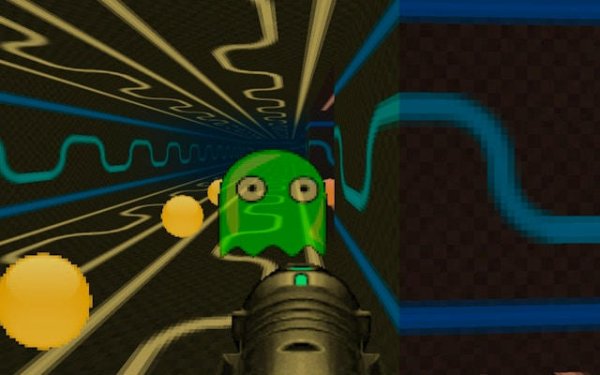
Pixel Pathfinder 3D Gather combines first-person navigation with classic maze collection. The pixel art style gives it retro appeal, while the 3D corridors add spatial depth. Friendly patrollers create a gentle timing challenge that rewards observation over reflexes. Progression comes from increasingly complex mazes, making it well-suited for casual players and families. The main limitation is that the core loop stays consistent, so those seeking varied mechanics may find it repetitive.
Pixel Pathfinder 3D Gather places players inside fully three-dimensional corridors from a first-person view. The objective is straightforward: collect all glowing items scattered throughout each maze. Because you see through the character's eyes, spatial awareness matters. You must judge distances, remember turns, and plan efficient routes rather than simply reacting to what's on screen. The controls are designed to be simple and responsive, so new players can start moving immediately without a lengthy tutorial.
Friendly patrolling characters move along set paths in every maze. They don't attack or cause harm, but they do add a gentle challenge by forcing you to observe their routes and time your movements. As you collect more items, patrollers may become more focused, requiring sharper planning. This mechanic keeps levels engaging without introducing stress or punishment. Learning patterns is the key skill here, and it rewards patience over speed.
The game uses a bright, colorful pixel art aesthetic that appeals to fans of retro gaming, but applies it to 3D environments. This combination creates a distinctive look: classic blocky visuals set within modern spatial depth. Cheerful character designs and vibrant colors keep the atmosphere inviting. There are no dark or frightening elements, making it suitable for family play and younger audiences.
Each maze functions as a self-contained puzzle. To advance, you must collect every item. Level design gradually increases in complexity, introducing more intricate corridors and patroller patterns. This progression encourages players to improve spatial reasoning and memory. Efficiency and careful planning are rewarded, and clearing a maze provides a satisfying sense of accomplishment. The game doesn't rely on timers or fail states to create tension, focusing instead on thoughtful navigation.
Sign in to comment
You must be logged in before posting a review or rating.
No comments yet. Be the first to comment!








Editorial Notes