 BabyDrift Games
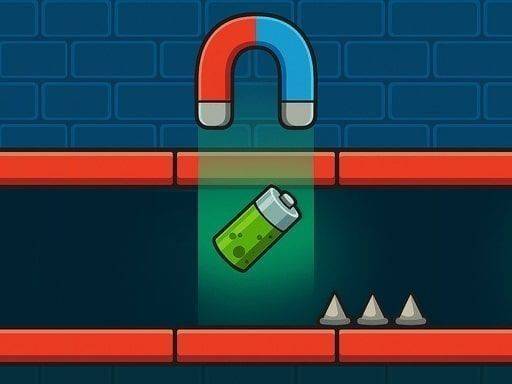
Magnet Logic Quest succeeds by keeping its scope tight: one magnetic toggle, a handful of object types, and a steady difficulty curve. The bright visuals and gentle audio support a low-pressure experience, while the absence of timers or scores makes it welcoming for children and adults. Its main limitation is that the core interaction may feel repetitive for players seeking fast-paced variety, but as a thoughtful introduction to magnetic physics, it delivers exactly what it promises.
Magnet Logic Quest is built on one interaction: activating a magnetic field to influence nearby metal objects. By toggling the magnet on and off, players attract or repel blocks, balls, and platforms. The challenge comes from understanding how each object responds to the magnetic force and timing pulses correctly. That single mechanic encourages experimentation and rewards careful observation.
Each level introduces a new twist on magnetic manipulation. Early puzzles teach basic attraction and repulsion. Later stages combine multiple objects and obstacles. Players might stack blocks to form a bridge, guide a ball through a winding path, or arrange platforms into a stable structure. The difficulty curve is gradual, so players build confidence before tackling more complex arrangements.
The game uses a bright, clean art style with cheerful colors and simple shapes. That visual approach makes it easy to distinguish between different objects and track their movements. The interface is uncluttered, keeping attention on the puzzle. Soft background music and gentle sound effects accompany successful moves, reinforcing a relaxed, thoughtful pace.
Magnet Logic Quest introduces basic physics concepts in an intuitive way. Players naturally learn about magnetic fields, force direction, and object interaction without formal instruction. The game is designed to be accessible to children and adults alike, making it a useful tool for parents and educators who want to combine entertainment with learning. No reading or math skills are required, only curiosity and patience.
As players advance, they encounter puzzles that require multi-step solutions and precise positioning. Some levels have multiple valid approaches, encouraging creative thinking. The game does not punish mistakes, allowing players to retry as often as needed. This design fosters a low-pressure environment where the joy comes from solving each unique puzzle rather than competing against a timer or score.
Sign in to comment
You must be logged in before posting a review or rating.
No comments yet. Be the first to comment!








Editorial Notes