 BabyDrift Games
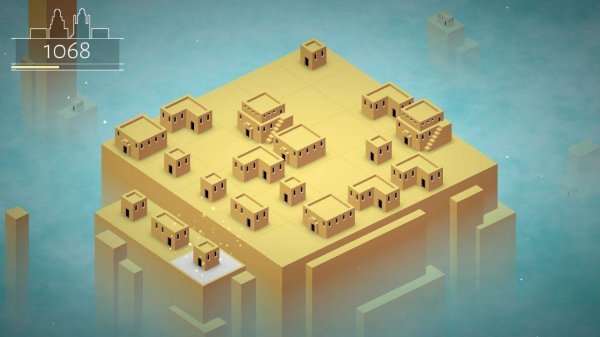
Metro Mosaic Match pairs tile matching with city construction, giving each cleared group a purpose beyond points. The separate grid introduces spatial decisions that most match-3 games lack. Random boards and no timers keep sessions relaxed but strategic. Best for casual players who enjoy planning without pressure. The main limitation is that the core loop may feel repetitive over long sessions, but the dual-board system offers more variety than standard match-3 titles.
Metro Mosaic Match uses a familiar match-3 board where players select groups of three or more identical tiles. Tapping or dragging clears them, awards points, and frees space. The board refills after each turn, so the layout constantly shifts. Unlike standalone match-3 games, every successful clear produces a building token. That token must then be placed on a separate city grid. The dual-board structure means players split attention between immediate tile patterns and long-term spatial planning.
The city grid represents a growing metropolis. Each building occupies a specific footprint, and where you place it affects future options. Larger matches yield upgraded structures like parks or commercial centers. These take up more space but contribute higher scores. Poor placement can block access to premium locations, forcing you to adapt. This spatial reasoning layer sets Metro Mosaic Match apart from typical matching puzzles, where the only goal is clearing the board.
Bright, saturated colors distinguish tiles and buildings, making the board easy to read at a glance. Animations are smooth but not distracting, with subtle effects for matches and construction. Background music stays light and upbeat, designed to maintain focus without causing fatigue. Sound effects for tile clears and building placements are crisp but gentle. The overall presentation aims for a calm, productive feel suitable for extended play sessions, with no jarring transitions or loud noises.
Levels gradually introduce new tile types and larger board sizes. Early stages offer simple patterns with few tile varieties, letting players learn the basics. Later levels combine multiple tile sets and tighter grid constraints, requiring more foresight. The game does not use timers or pressure mechanics, so you can think through each move. This design makes the difficulty curve feel natural and fair. Each completed level contributes to an overall city score, encouraging replay to beat previous records. Random board generation ensures no two playthroughs are identical.
Sign in to comment
You must be logged in before posting a review or rating.
No comments yet. Be the first to comment!








Editorial Notes