 BabyDrift Games
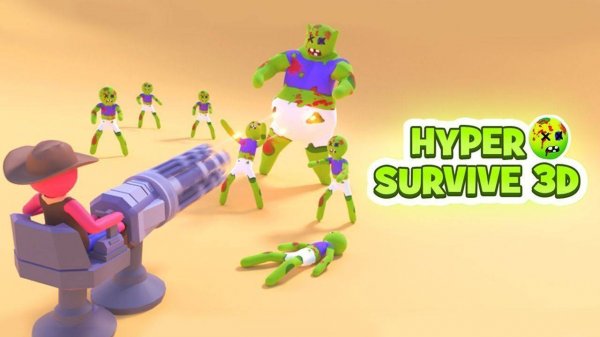
Outpost Rebuild: Tactical Survival offers a focused loop of scavenging, building, and defending. Its strength lies in the tension between immediate needs and long-term stockpiles, with procedurally arranged maps adding replay value. The gradual difficulty curve suits newcomers, while specialization options give veterans room to experiment. However, the game's reliance on text-based descriptions and lack of specified multiplayer may limit its appeal for those seeking social or action-heavy experiences.
Outpost Rebuild: Tactical Survival begins with nothing but determination. Players gather timber and scrap metal from the surrounding landscape to construct shelters and defensive barriers. Every structure matters: some store provisions, others provide safe quarters for your group. The placement of walls and gates directly affects whether your outpost becomes a secure haven or a vulnerable target. As you progress, upgrades unlock stronger materials and more efficient layouts, rewarding careful planning over rushed expansion.
Resource management drives every decision. Wood, metal, and food sustain your camp, and each scavenging trip consumes time and energy. A well-fed group works more efficiently, while a metal shortage can halt construction projects. The game encourages thinking ahead—setting aside reserves for tougher days rather than spending everything immediately. Balancing short-term needs against long-term stockpiles requires constant judgment, and there is no single correct ratio.
Adversaries attack in waves, testing your camp's strength. These encounters emphasize strategic positioning and quick thinking rather than graphic violence. Crafted items and environmental advantages help repel intruders. Timing is crucial: a well-placed barricade or a cleverly aimed projectile can turn the tide. Difficulty escalates gradually, so newcomers learn the basics while veterans face fresh challenges. Each victory yields resources and a sense of accomplishment.
Beyond the camp, the landscape holds hidden caches of supplies and occasional survivors who can join your community. These characters bring unique skills that enhance your group's capabilities. The map is procedurally arranged, so no two playthroughs are identical. Some areas offer abundant food, while others are rich in metal. Choosing where to explore next is a strategic gamble that keeps each session engaging.
As days pass, tools become more effective, shelters grow sturdier, and your group learns to work as a team. The upgrade system allows specialization—focus on defense, gathering, or crafting. There is no single correct path; success comes from adapting to the resources and threats at hand. This flexibility encourages multiple playthroughs with different strategies, ensuring the game remains fresh.
Sign in to comment
You must be logged in before posting a review or rating.
No comments yet. Be the first to comment!









Editorial Notes