 BabyDrift Games
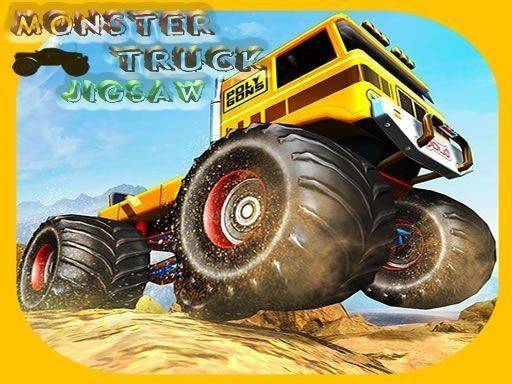
Vehicle Assembly Puzzle focuses on the quiet satisfaction of completing vehicle-themed jigsaw images. Its adjustable piece count lets one game serve young children and experienced puzzlers alike, while the absence of timers, scores, and penalties keeps sessions stress-free. The clear artwork and uncluttered interface support concentration. The main limitation is variety: the core loop stays the same across puzzles, so players seeking progression systems or competitive features may find it too simple.
Each puzzle in Vehicle Assembly Puzzle begins with a gallery of vehicle images. You select one, and the game presents a board alongside a small thumbnail of the finished picture. Your task is to drag pieces from the scattered pile onto the board. When a piece lands in the correct spot, it locks with a subtle cue. Incorrect placements carry no penalty, so you can rearrange freely until the image is complete.
Before starting a puzzle, you choose a difficulty level that determines the total number of pieces. Lower counts suit younger players or short sessions, while higher counts extend the challenge for experienced puzzlers. This single setting is the main variable across the game, letting families share the same activity at different comfort levels without switching modes or menus.
The illustrations show large transport vehicles—trucks among them—set in forests, mountains, and rural roads. The art favors clear, colorful detail, so each completed puzzle reads well as a finished picture. The interface stays uncluttered, with no distracting animations or sound effects, which helps maintain concentration during longer assemblies.
There are no timers, scores, or competitive elements. That design choice makes Vehicle Assembly Puzzle suitable for children and adults to work on together, or for solo players who want a quiet logic exercise. The gentle pace and simple drag-and-drop controls keep frustration low, and the content contains no mature themes.
Sign in to comment
You must be logged in before posting a review or rating.
No comments yet. Be the first to comment!







Editorial Notes