 BabyDrift Games
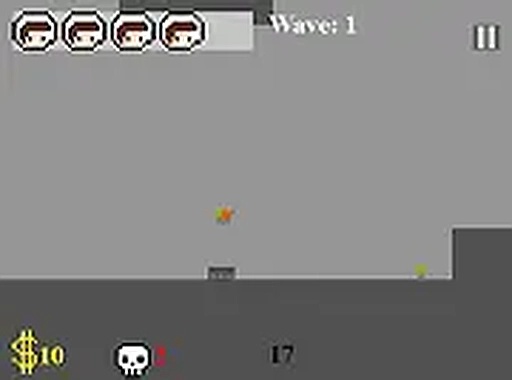
Spacecraft Mystery Logic is a browser-based logic puzzle set on a spacecraft where command functions have failed. Its strengths are clear from the description: no timed pressure, no installation, and a narrative delivered through environmental discovery rather than dialogue. The game suits players who like examining objects, connecting evidence, and working at their own pace. The main limitation is also visible: with no dialogue or action elements, anyone seeking fast feedback or explicit storytelling may find the approach too quiet.
Spacecraft Mystery Logic drops you onto a large vessel whose command functions have stopped. No crew, no dialogue, no background chatter. The quiet is deliberate: it pushes you to read the environment itself. Corridors, rooms, and control panels carry the story, and the visual design plants subtle hints about what went wrong. Patience matters more than reflexes here.
Interaction is straightforward. You examine objects and panels to collect data, then connect those pieces through logical reasoning. The puzzles live inside the environment rather than in separate menus, so progress feels like understanding the ship rather than clearing a level. There are no timed challenges or arcade sequences. You can stand still and think as long as you need.
The narrative unfolds as you move through different sections of the spacecraft. Each new area adds context and gradually builds toward an explanation for the system failure. Because the story is told through discovery instead of dialogue, the environment becomes the primary storyteller. That structure suits players who enjoy assembling a plot from scattered evidence.
The game runs directly in a desktop web browser. Keyboard and mouse handle movement and interaction, and full-screen mode is available for deeper immersion. No installation or account creation is required, so you can start playing immediately. That low barrier makes it accessible to anyone with a modern browser.
Sign in to comment
You must be logged in before posting a review or rating.
No comments yet. Be the first to comment!






Editorial Notes