 BabyDrift Games
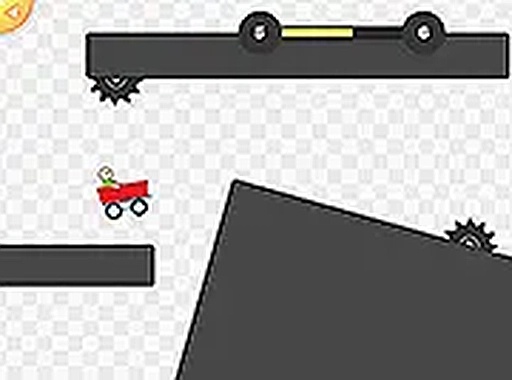
Figure Runner: Minecart Adventure focuses on precise timing and quick reactions. The minimal visuals and instant controls make it easy to pick up, while gradually tightening obstacle patterns provide a fair challenge. The lack of penalties for failure encourages repeated attempts. It suits players who enjoy arcade-style reflex games and short browser sessions. The game does not offer narrative depth or varied modes, so its appeal depends on how much you enjoy pure timing-based gameplay.
Figure Runner: Minecart Adventure puts you in charge of a stick figure riding a minecart along a narrow, winding trail. The goal is simple: keep the cart moving forward without hitting anything. Each run ends when you pass a flag marker, which signals that you have completed that section. The trail curves and narrows at certain points, so you need to watch both the obstacles and the shape of the path ahead. There are no complex narratives or side objectives—just moment-to-moment reactions.
Barriers come in different forms. Low walls require a jump, while overhead beams demand a duck. Some obstacles are spaced evenly, giving you a steady rhythm, but others appear in rapid succession, forcing quick decisions. The pattern of hazards shifts with each new stage, so you cannot rely on memorizing one sequence. This variety keeps each attempt feeling distinct and tests your ability to read and react to what is coming next.
On a keyboard, the up arrow lifts the cart over low obstacles, and the down arrow lowers it to clear overhead ones. On touchscreens, a tap triggers a jump and a swipe down initiates a duck. The controls are intentionally simple, letting you focus on timing rather than memorizing button combinations. The cart responds instantly, which is essential when obstacles appear with little warning.
The stick figure and minecart are drawn with clean, minimal lines against a colorful background. The trail winds through a bright landscape with changing scenery, but the focus stays on the path ahead. There are no distracting animations or cluttered visuals, which helps you read the environment quickly. Early stages introduce obstacles one at a time, giving you room to learn the timing. Later stages combine multiple hazard types in tighter sequences, demanding faster reactions. The difficulty increases gradually, so players who persist will see improvement. There is no penalty for failing beyond restarting the current stage, which encourages repeated attempts.
Sign in to comment
You must be logged in before posting a review or rating.
No comments yet. Be the first to comment!





Editorial Notes